Home › News
News & Updates
Deadlines, results and guidance for The New York Times Learning Network writing contests.
-
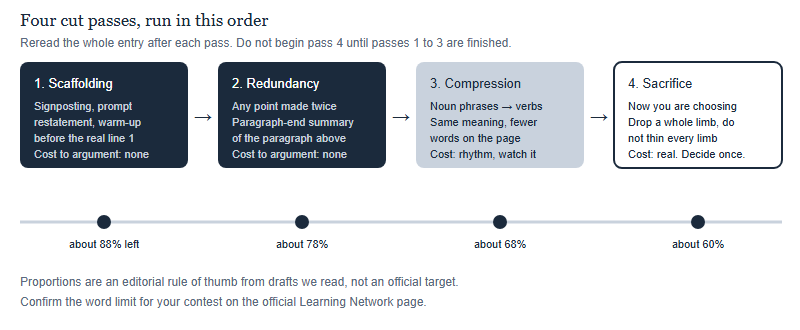
How to Cut 40% From a Contest Entry Without Losing the Argument (2026)
Over the limit? Cut in four passes, in order. A safe-cut ladder, six sentence swaps that buy words for free, and what to do when the last cut starts costing you the argument.
-
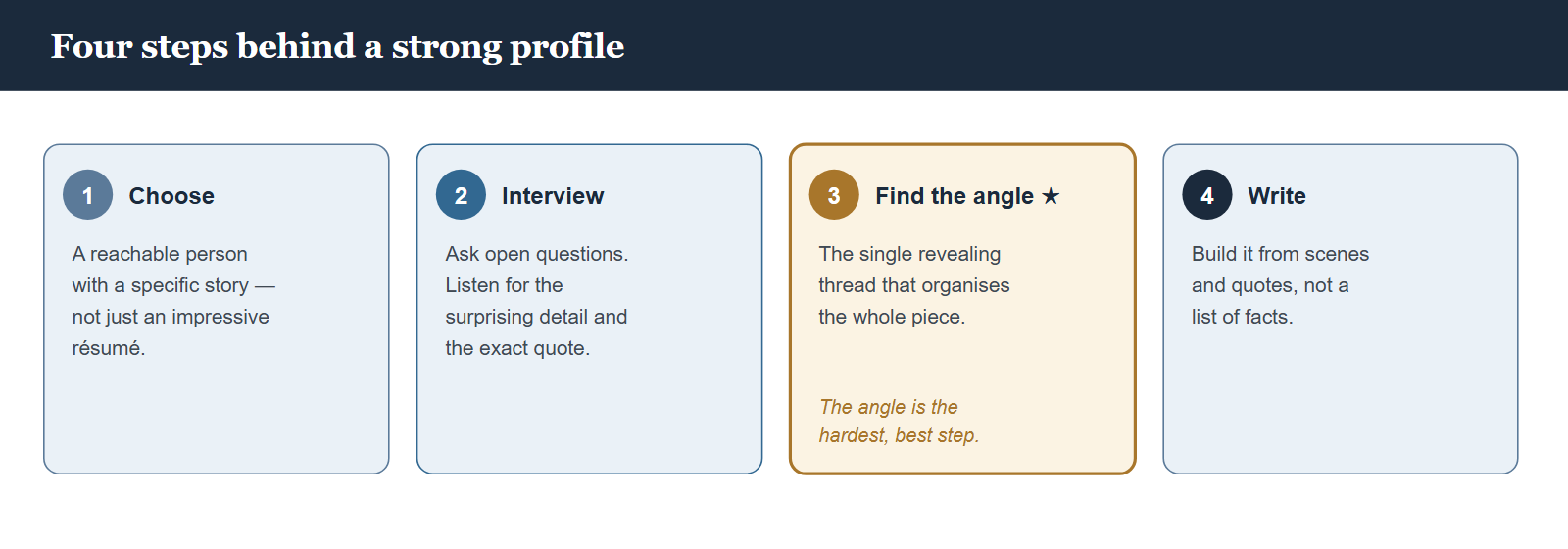
The NYT Profile & ‘Coming of Age’ Contests: Reporting a Real Person’s Story (2026)
The New York Times Learning Network’s Profile and Coming of Age contests ask students to report and write about a real person or a real moment of growing up. This independent guide explains the reporting process behind a strong profile, how it differs from a personal narrative, and why an international student’s community is full…
-
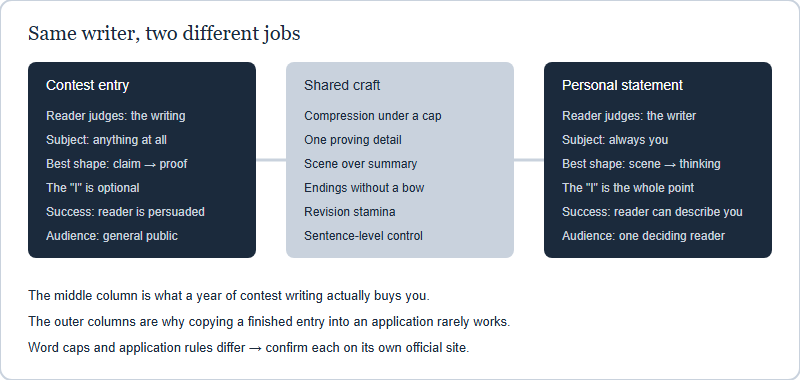
From a Contest Entry to a Personal Statement: What Transfers and What Does Not (2026)
Contest writing builds skills that carry into a personal statement, and habits that quietly wreck one. What transfers, what hurts, and a six-step reuse workflow.
-
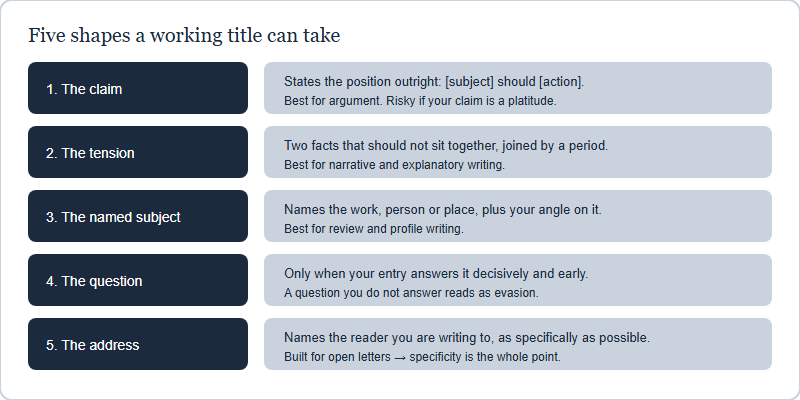
How to Title a NYT Contest Entry: Headlines That Earn a Second Look (2026)
Your title is the first eight words a reader meets. Five title patterns by contest type, four failure modes, a specificity-and-voice map, and a 10-minute titling routine.
-
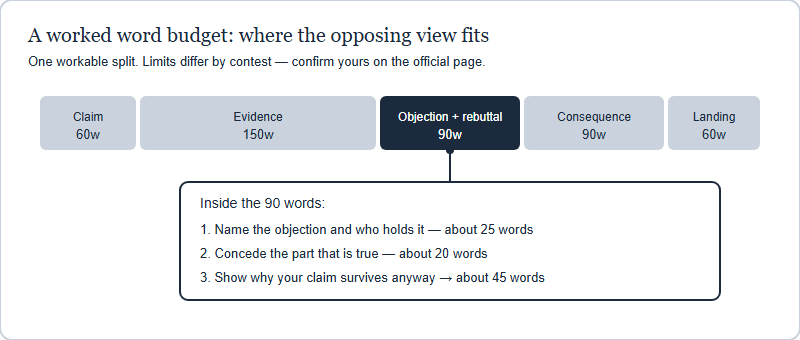
How to Handle the Counterargument in a Short NYT Contest Entry (2026)
In a tightly capped argument, the opposing view is not a politeness ritual. Four counterargument moves, a word budget that fits, five failure patterns and a 20-minute stress test.
-
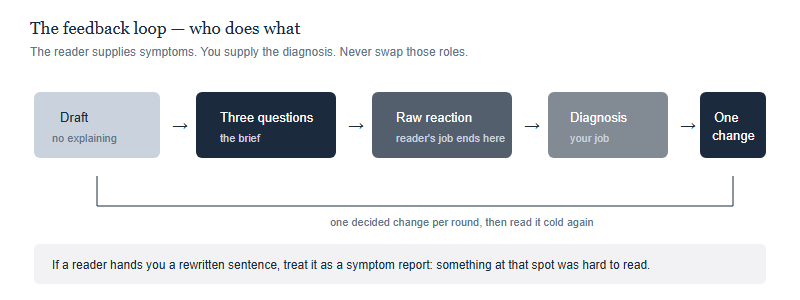
How to Get Useful Feedback on a Contest Entry — and What to Ignore
Most feedback on a contest entry is proofreading or personal taste. A three-question reader brief, a triage matrix for deciding what to act on, and the hour you should stop listening.
-
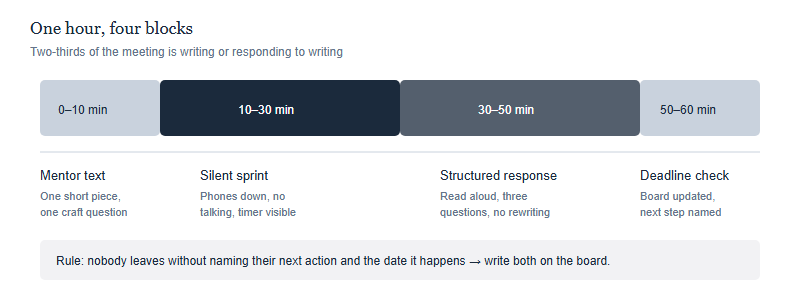
How to Run a NYT Contest Writing Club at a China International School (2026-27)
A term-by-term plan for teachers and student leaders: a 60-minute meeting template, a feedback protocol that protects voice, and the logistics that decide whether entries actually get submitted.
-
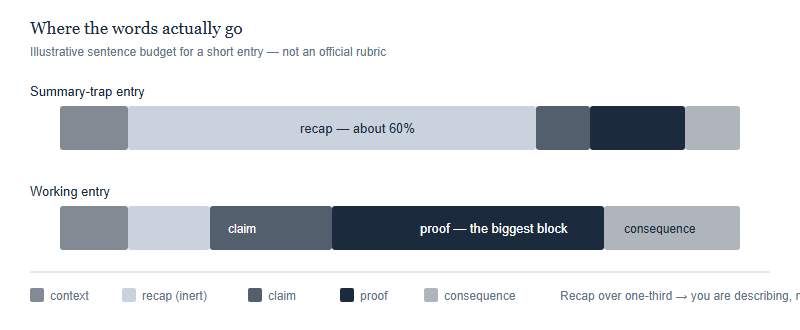
The Summary Trap: How to Write About a Book, Film or Article Without Retelling It (2026)
Most weak NYT contest entries are not badly written — they are retellings. A five-minute highlight test, three claim shapes and a worked rewrite that turns summary into argument.
-
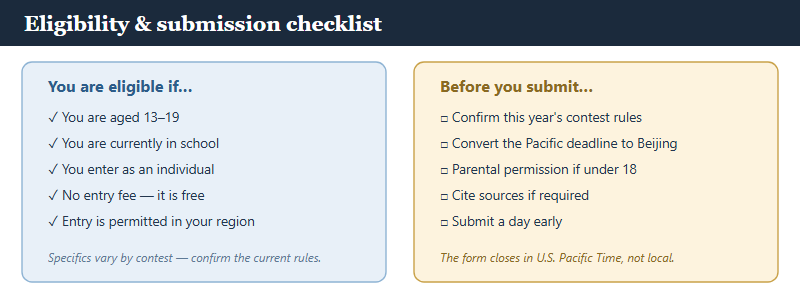
NYT Writing Contests for International Students: Eligibility, Time Zones and Submission (2026)
Can students outside the United States enter the New York Times Learning Network writing contests? Yes. This independent guide covers eligibility for international and China-based students, how to convert U.S. Pacific-Time deadlines, the submission steps, parental-permission rules, and a checklist to make sure your entry counts.
-
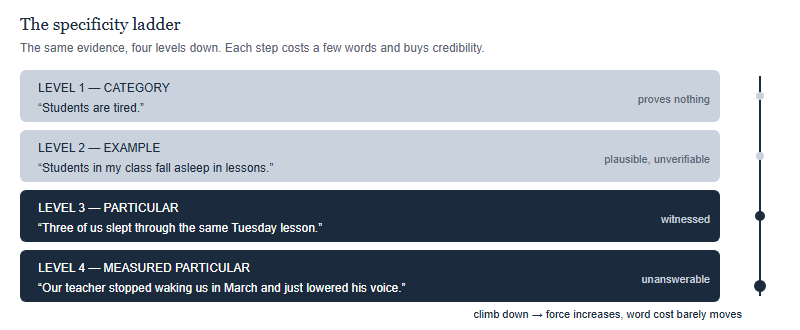
The Detail That Proves It: Choosing Evidence for a Short Contest Entry
In a short entry you can afford two or three pieces of evidence, not eight. How to choose which ones, climb the specificity ladder, and test whether they prove your actual claim.